
Loading...
Serving Coachella, CA and surrounding areas. (760) 273-0144
A foundation installed without proper soil prep or the right reinforcement for desert conditions will cost you later. We handle the full process in Coachella - permits, seismic-grade steel, heat-managed pours, and a final inspection on every project.
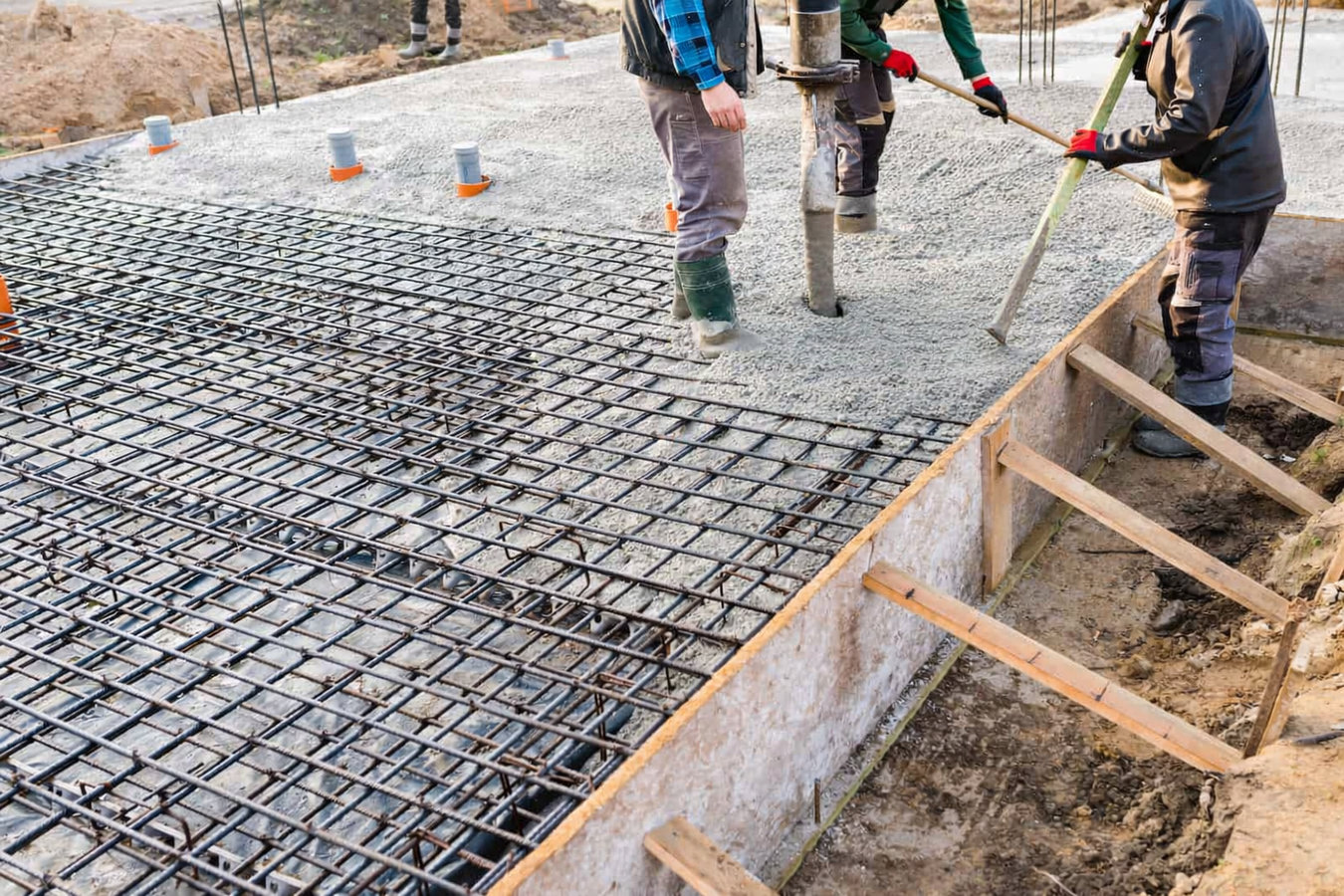
Foundation installation in Coachella starts with soil compaction and gravel base work, then moves to rebar placement and a pre-pour city inspection, then the concrete pour itself - most residential slabs take two to five days of active work, with the full timeline running three to six weeks once permits are factored in.
Whether you are putting up a new home, adding a room, or converting an older structure into livable space, the foundation is the one part of the project you cannot revisit once the concrete is down. The desert soils in Coachella, the seismic zone requirements, and the extreme summer heat all shape how a foundation here needs to be built - and they are all reasons to work with a contractor who has done this work in this valley before. If you are also planning the structural slab itself, our slab foundation building service covers the concrete pad that sits on top of your installation work.
This is the most straightforward sign: if you are starting from the ground up, a foundation is the first thing that has to happen before any framing, plumbing, or electrical work can begin. In Coachella, where new residential construction has been active, this is often the starting point for homeowners who have purchased a lot or are expanding an existing structure.
Small hairline cracks in a concrete slab are common and usually harmless. But if you notice cracks wider than a quarter inch, running diagonally, or with one side higher than the other, that is a sign the slab has shifted - possibly due to the expansive desert soils common in the Coachella Valley. This kind of movement does not fix itself and usually gets worse over time.
When a foundation shifts, the frame of your house shifts with it. If doors that used to swing freely now stick or will not latch, or if you notice gaps forming at the corners of window frames, the structure above the slab may be responding to movement below. If the problem is consistent year-round, it is worth having a foundation contractor take a look.
Many older homes in Coachella have carports or detached structures that were not built to the same standard as the main house. If you are planning to convert one of these into a bedroom, office, or living area, the existing slab may not be thick enough or properly reinforced to meet current building code - and a new or upgraded foundation may be required before the city will issue a permit.
We handle foundation installation from first contact to final inspection - permit application, soil preparation, gravel base, moisture barrier, rebar grid, and the pour itself. Every project gets the same ground-up approach: we assess the lot before we finalize the design, and we do not start digging until the permit is in hand. For new builds that also require concrete parking lot building or exterior flatwork alongside the foundation, we can scope and sequence that work together so your project runs in the right order without gaps in the schedule.
The Portland Cement Association notes that a well-built concrete foundation can last 50 to 100 years or more. That kind of longevity comes from what happens before the pour - the soil prep, the reinforcement, and the base work that no one can see once the concrete is down. That is where we focus.
Full-service foundation installation for new homes and primary structures - from permit application through final inspection.
Foundations for room additions, accessory dwelling units, and garage conversions that tie into existing structures.
For lots with sandy, silty, or expansive soil conditions requiring compaction, gravel base work, or engineering-grade preparation.
Removing and replacing older slabs that no longer meet current California building code or have failed due to soil movement.
Coachella sits in the eastern end of the valley, where residential development has expanded steadily in recent years - bringing a mix of new construction on previously unimproved lots and renovation projects on older homes with aging foundations. Lots that were subdivided from agricultural land or have sat undeveloped often have loosely compacted soil that needs significant preparation before a foundation can be safely poured. This is not something you discover on pour day - it requires an assessment visit before any design decisions are made. Homeowners across the valley in Palm Desert, CA face the same range of lot conditions we work with regularly in Coachella.
The seismic picture here is real and shapes how every foundation is built. The San Andreas Fault runs along the eastern edge of the valley, and California's building code sets reinforcement requirements for foundations in this zone that are stricter than what you would find in most other states. The city inspector verifies that the steel is in place before the concrete is poured - so this is not just a contractor preference, it is a documented, inspected requirement. For homeowners in Indio, CA and across the eastern valley, the same seismic zone requirements apply to every foundation project.
We respond within 1 business day. Tell us the size of the area, what the foundation is for, and whether any permits or plans are already in place - we will ask the right follow-up questions.
We visit the lot, check the soil and access, and confirm the project scope. Then we submit the permit application to the City of Coachella Building Division on your behalf - the process typically takes a few days to two weeks.
Once the permit is approved, the crew excavates, grades, and compacts the soil, then adds the gravel base and sets the steel reinforcement. A city inspector must verify the rebar before any concrete is ordered.
On pour day we arrive early to beat the heat, level and finish the slab, and start the curing process. Before we leave, we walk you through the finished foundation and give you a clear timeline for when the next phase of your project can begin.
Free on-site estimate - permits handled - no obligation.
(760) 273-0144The Coachella Valley's mix of sandy and silty soils shifts differently than soil in most of California. We compact the ground thoroughly and set the right gravel base before any forms or rebar go in - because skipping or rushing this step is what causes foundations to crack and settle years later.
The Coachella Valley sits near active fault lines, and California requires more steel reinforcement in foundations here than in most other states. We design to those seismic requirements on every installation, and the city inspector verifies the rebar is in place before the pour. California Geological Survey.
Coachella summers push past 110 degrees, and concrete poured in that heat can crack before it finishes setting if the crew is not managing the process carefully. We schedule pours for the coolest part of the day and keep fresh slabs moist during curing - standard practice on every summer project.
We pull every required permit through the City of Coachella Building Division and schedule the required inspections. Your home's records are clean, the work is documented, and your investment is protected - no surprises when you go to sell or file a claim.
Every decision we make on a foundation project - from the soil assessment to the pour timing to the permit paperwork - reflects what it takes to build something that holds up in this valley for the long term. That consistency is what keeps Coachella homeowners calling us when the stakes are highest.
Commercial and residential concrete parking lots built for Coachella's heat and heavy use - from grading through final finish.
Learn MoreResidential concrete slab foundations poured with seismic-grade reinforcement and heat-managed curing for desert conditions.
Learn MoreCoachella contractors book up fast in fall and spring - lock in your start date before the schedule fills.