Loading...
Serving Coachella, CA and surrounding areas. (760) 273-0144
A footing that fails takes everything above it down with it. We pour concrete footings built for Coachella's sandy soils, seismic requirements, and extreme heat - with permits handled, inspections coordinated, and a written quote before any digging starts.
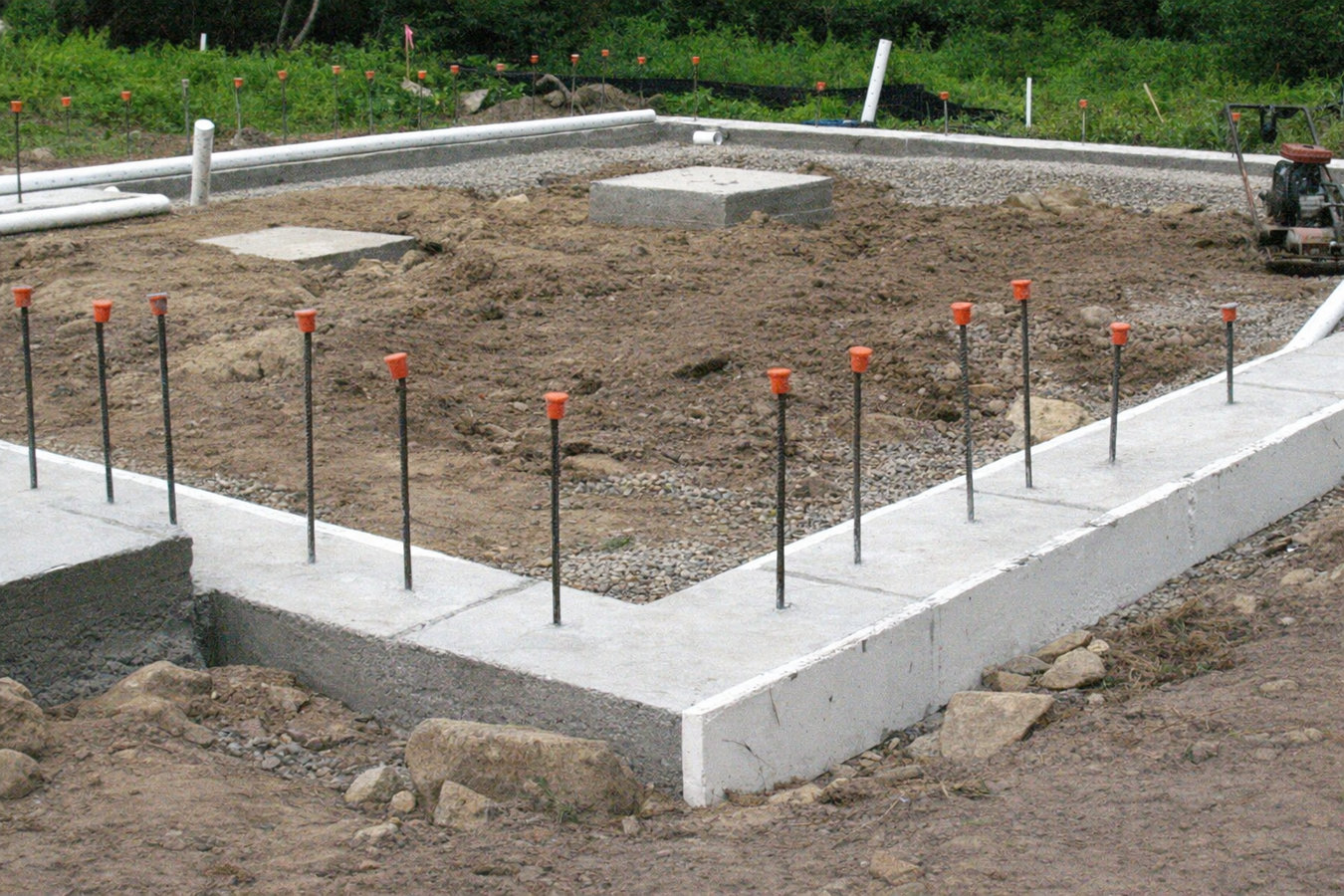
Concrete footings in Coachella are reinforced underground bases poured to hold walls, additions, patio covers, and fences - the crew excavates to stable soil, sets wooden forms, places steel rebar, and pours the concrete after a city inspection sign-off, with most residential footing jobs taking one to three days of active work and full strength reached over about 28 days.
If you are planning a room addition, a block wall, an accessory dwelling unit, or a covered patio, footings are the first piece - and the most important one. Get them wrong and the structure above will eventually shift, crack, or fail. In Coachella, sandy soils and proximity to the San Andreas Fault system make local expertise genuinely important here, not just a marketing phrase. For projects that involve both a structural base and a concrete surface on top, our foundation installation service covers the full scope when a complete foundation system is what you need.
If you are planning a room addition, a covered patio, a block wall, or a large pergola, you almost certainly need concrete footings before any of that work begins. These structures need a stable underground anchor - without one, they can shift, crack, or pull away from the main house over time. This is true even for projects that look simple on the surface.
If you notice cracks running along the base of a block wall, a patio cover that seems to be leaning, or a gap opening between an addition and the main structure, the footing underneath may have failed or settled. In Coachella's desert soil, this kind of movement happens when footings were not dug deep enough or were not designed for local soil conditions. A contractor can assess whether the footing is the source of the problem.
Coachella's extreme heat and dry conditions cause the soil around fence posts and shallow footings to contract and loosen over time. If your fence is leaning noticeably or posts rock when you push them, the footings may have degraded or were never substantial enough for local conditions. Replacing them with properly sized concrete footings is a longer-lasting fix than simply resetting the posts.
Home inspectors in the Coachella area sometimes flag issues with footings on older properties - particularly homes built before current seismic and soil standards were in place. If a report mentions settlement, inadequate support, or unpermitted additions, getting a concrete contractor to assess the footings is the right next step before closing or listing.
We pour continuous wall footings for block walls and room additions, isolated pier footings for patio covers and post-supported structures, and seismically engineered footings for any project where California's building code requires additional rebar and design documentation. Every project starts with a soil assessment at the actual location - not a guess based on the address - so the footing depth and steel placement matches what is actually under your yard. For homeowners taking on an ADU or a permitted addition, we handle the City of Coachella permit application and coordinate the pre-pour inspection so the paperwork is in order before any concrete is placed. When a project also calls for a foundation installation alongside the footings, we can schedule both phases together to reduce the time your yard is open and the crew is on-site.
The American Concrete Institute sets the standards for how concrete footings are designed and poured in the United States, and we follow those standards on every project. That means consistent depth across all footings, rebar placed correctly inside the form rather than resting on the bottom, and clean level tops that give the structure above a flat, even surface to sit on. For homeowners who also need foundation raising on an existing structure, footings are often part of that conversation too.
Best for block walls, room additions, and any structure that needs a continuous underground base running along its perimeter.
Ideal for patio covers, pergolas, and posts that carry point loads rather than running wall loads.
Required for most structural projects in the Coachella Valley's seismic zone - includes engineered rebar placement per California building requirements.
Purpose-built for accessory dwelling units and room additions where city permits and inspections are a required part of the process.
The soils in and around Coachella include sandy desert material and, in some areas, soils that expand and contract with moisture changes - both types can put stress on footings that were not designed with those conditions in mind. Sandy soil can shift if footings are not dug deep enough into stable ground; expansive soil pushes against footings as it swells and shrinks through wet and dry cycles. A contractor who treats all Coachella lots as interchangeable is setting up future problems. Homeowners across the valley in Palm Desert, CA deal with the same soil variability and the same need for a site-specific assessment before any concrete is poured.
The seismic context adds another layer. The Coachella Valley runs along one of the most active fault systems in the United States, and California building requirements for this region translate directly into how footings are reinforced. More steel, more careful placement, and a pre-pour inspection by the city are not optional steps here - they are part of the code and part of what protects the people living in and around the structures above those footings. Contractors from outside the valley sometimes underestimate this, which is why experience in the local market matters. Property owners in Cathedral City, CA face the same seismic zone requirements and permit process every time a new structure is added to a property.
We respond within 1 business day. Let us know what you are building and roughly where on your property - we will ask a few follow-up questions and schedule a site visit.
We assess the soil at your location, measure the area, and identify any complications like irrigation lines or utility runs. You get a written quote that breaks down excavation, rebar, concrete, and permit costs before any commitment.
We submit the permit application to the City of Coachella Building Division on your behalf. The city will inspect the excavation and rebar placement before the concrete is poured - this is a required checkpoint that protects your investment.
After inspection sign-off, we pour the concrete and apply curing protection for Coachella's heat. We walk you through the curing timeline and hand over your permit documents once the final inspection is passed.
We respond within 1 business day, assess your soil before quoting, and handle the permit paperwork from start to finish.
(760) 273-0144We schedule footing pours for early morning in warm months and take the steps needed to keep fresh concrete from drying too fast in Coachella's heat - including additives and curing protection as standard. Coachella Concrete has managed this on every project we have done in the valley since 2023.
Sandy desert soils and areas with expansive clay-like material require different footing depths and reinforcement than average ground. We assess what is actually under your property before recommending a design - not a one-size-fits-all template. The U.S. Geological Survey maps seismic hazards in this region at usgs.gov.
The Coachella Valley sits near the San Andreas Fault system, and California building requirements for this seismic zone mean more rebar inside the footings than you would see in a lower-risk state. This is not an upsell - it is what the code requires and what keeps your structure standing in an earthquake.
We pull the City of Coachella building permit on every applicable project and coordinate the required inspections so you do not have to navigate city offices yourself. The California Contractors State License Board confirms our license is active - check for yourself at cslb.ca.gov.
Every one of those proof points traces back to the same thing: a footing that is designed for where it actually sits, built with the right reinforcement for this seismic zone, and permitted so your investment is on record. That is what separates concrete work that holds up for decades from work you end up fixing or explaining to a home inspector.
Lifting and leveling existing foundations where settlement or soil movement has caused structural problems.
Learn MoreComplete foundation systems for new construction - including slab prep, perimeter footings, and structural concrete in a single coordinated scope.
Learn MoreCooler weather means faster curing and easier excavation - call now to get a free site visit and written quote before the best slots are gone.